



Dhaka Detailed Area Plan 2025 You Need to Know
Dhaka Detailed Area Plan 2025 You Need to Know
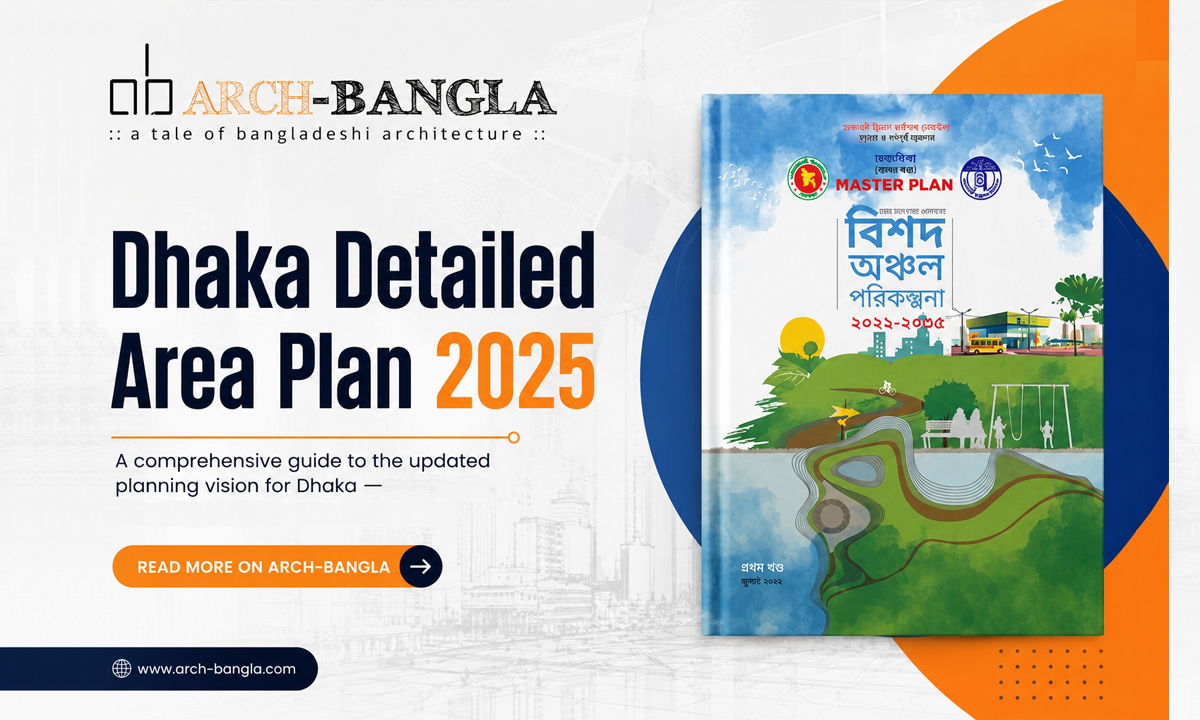
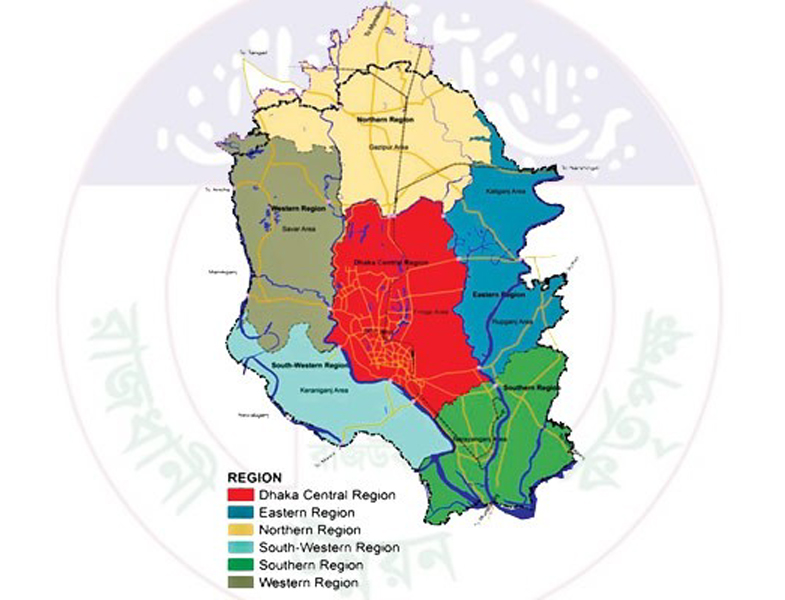
The Dhaka Detailed Area Plan 2025 (DAP) is the lowest tier of the Dhaka Metropolitan Development Plan, prepared by Rajdhani Unnayan Kartripakkha (RAJUK). It is a statutory planning and land-use policy that regulates how every parcel of land within the Dhaka metropolitan region can be used and developed. The current DAP formally covers the period 2016–2035 but is frequently referred to in policy and public debate in relation to “DAP 2025” targets and mid-term milestones
Key facts
- Legal basis: Part of Dhaka Metropolitan Development Plan (Structure Plan + Urban Area Plan + DAP)
- Coverage area: ≈1,528 km² including Dhaka, Narayanganj, Gazipur, Savar, Keraniganj
- Time horizon: 2016–2035 (adopted 2022; mid-term “2025” benchmarks widely used)
- Lead agency: RAJUK under the Ministry of Housing and Public Works
- Core instruments: Zoning, land-use maps, Floor Area Ratio (FAR), building height & density controls
Background and objectives
DAP is the third and final tier of Dhaka’s metropolitan planning framework, translating strategic visions in the Structure Plan (2016–2035) into parcel-level regulations. Its objectives include decentralizing growth away from the congested core, protecting flood flow zones and canals, improving housing supply (especially for low and middle income groups), and coordinating infrastructure such as roads, transit, utilities and civic amenities.
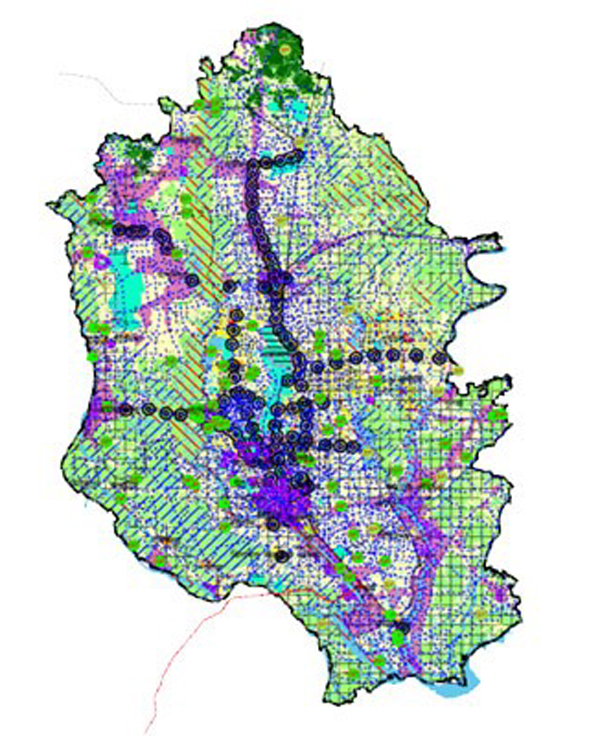
Policy discussions around “DAP 2025” often reference near-term deliverables: establishing clear zoning, introducing stricter protection for wetlands, integrating transit-oriented development (TOD) guidelines, and aligning major megaproject corridors like the elevated expressways and mass transit lines with land-use intensities.
Spatial coverage and zoning: Dhaka Detailed Area Plan 2025 You Need to Know
The DAP area extends across metropolitan Dhaka, covering parts of Dhaka, Narayanganj and Gazipur districts and peri-urban areas such as Savar and Keraniganj. It designates zones including residential, commercial, industrial (light/heavy), mixed use, agricultural, forest, flood flow, water bodies, and special planning areas.
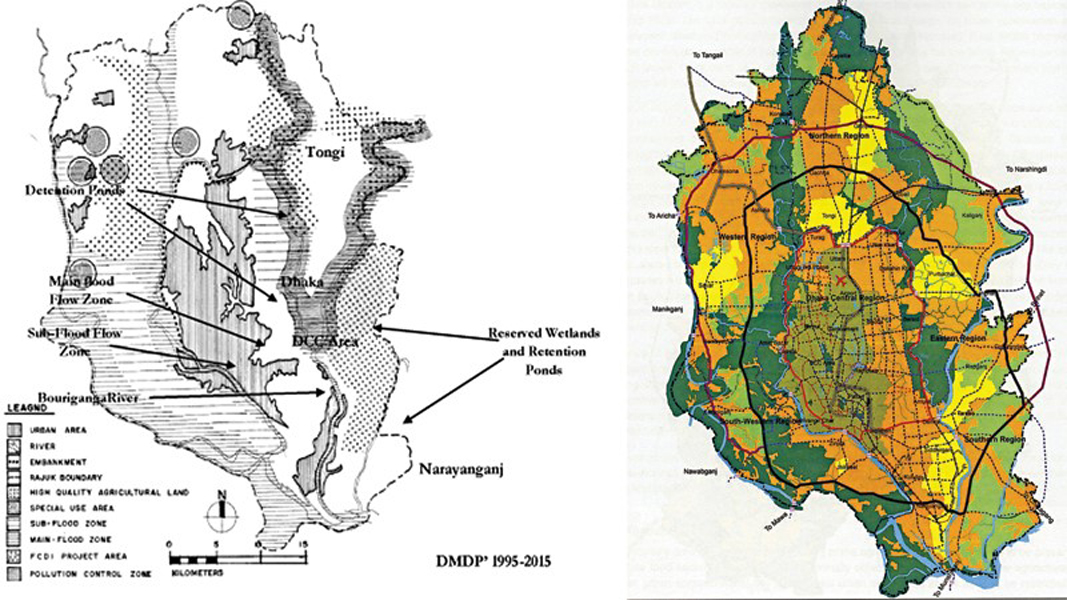
For each zone, DAP specifies what types of activities are permitted or restricted—for example, limiting heavy industry in mainly residential areas, or forbidding permanent structures in flood flow and retention zones. This zoning is intended to make urban expansion more orderly and resilient to flooding
Development controls: FAR, height and density
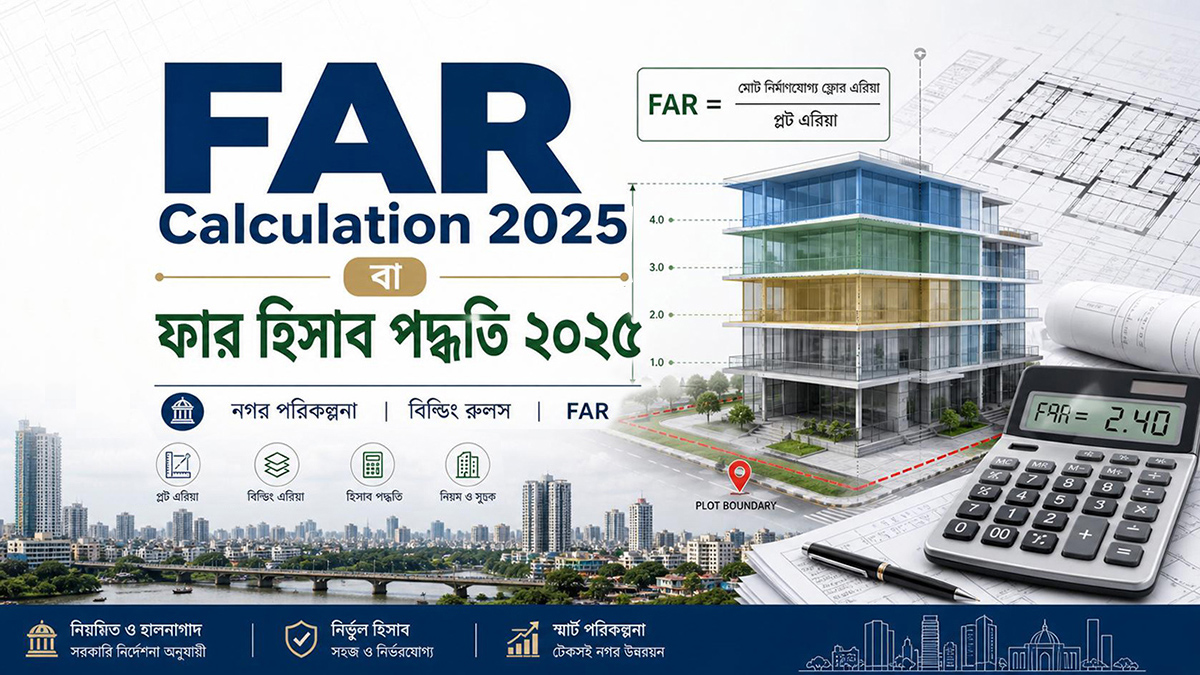
DAP introduces detailed regulations on how much can be built on a given plot through Floor Area Ratio (FAR), maximum ground coverage, and maximum number of storeys, varying by road width, plot size, and zone. Developers must consult DAP charts to calculate cumulative floor area and allowable height; these rules are being linked with updated Dhaka Metropolitan Building Rules 2025
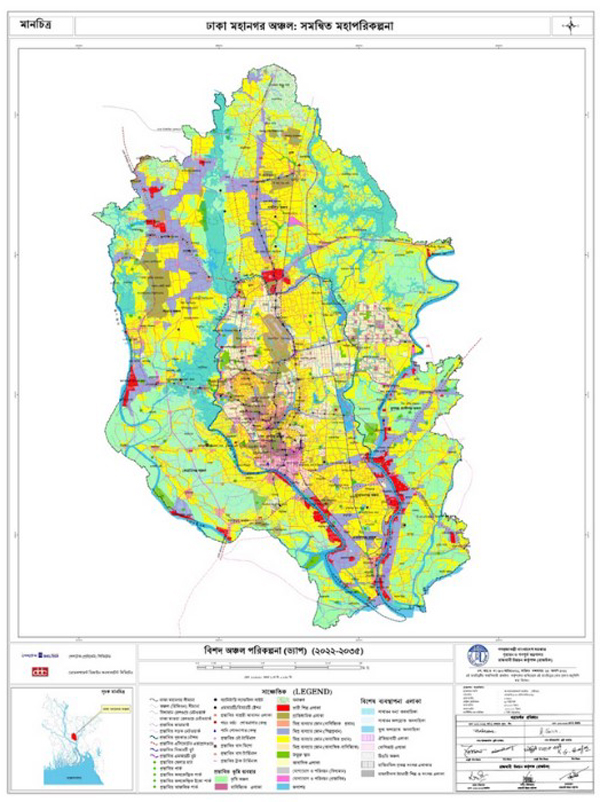
Higher FAR and height are generally allowed along wider roads, transit corridors, and designated commercial or mixed-use hubs, while lower densities are enforced in environmentally sensitive and low-infrastructure areas.
Relation to infrastructure and megaprojects: Dhaka Detailed Area Plan 2025 You Need to Know
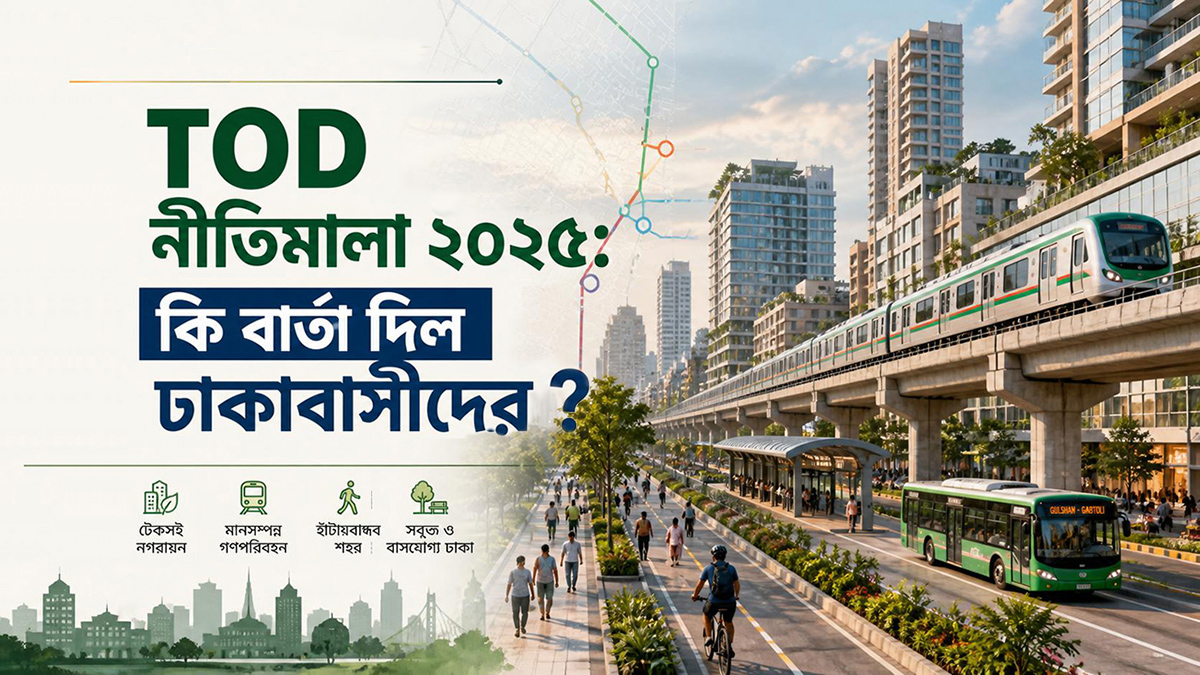
DAP functions as a coordinating policy for major transport and utility investments, including expressways, metro rail, and possible subway routes. It supports transit-oriented development around key stations and corridors identified in the Structure Plan and TOD guidelines, aiming to reduce congestion and encourage higher-density, mixed-use development near mass transit.
It also aligns land-use with large projects such as new townships and growth corridors toward Purbachal, Narayanganj and Gazipur, attempting to distribute employment and housing more evenly across the metropolitan region.
Governance, amendments and controversies
As a statutory planning document, DAP must be approved by the national economic council and is periodically revised. An advisory committee under the Ministry of Housing and Public Works reviews proposed amendments—for example, to adjust density, housing provisions, or wetland protections—with a recent round of amendments and Dhaka Metropolitan Building Rules-2025 receiving in-principle approval.
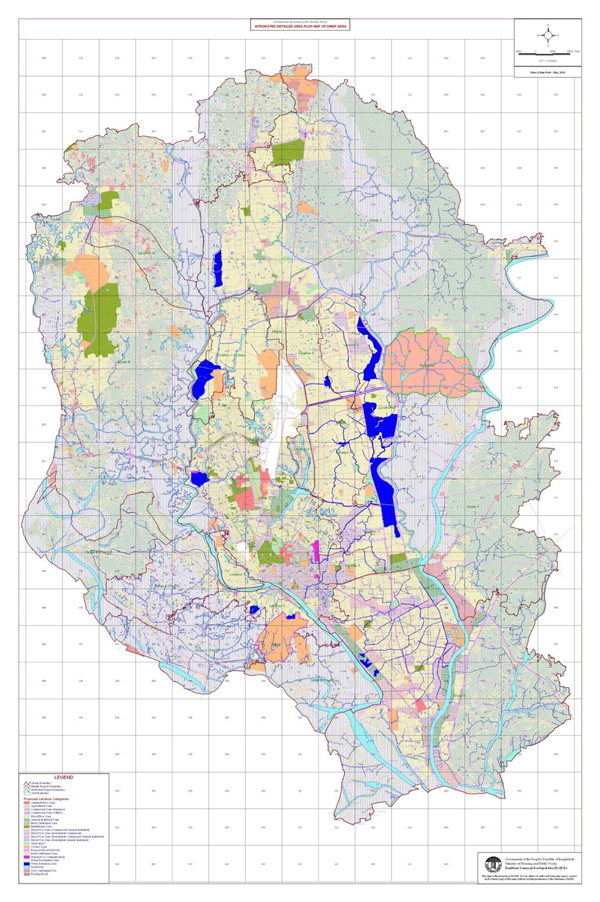
DAP has generated intense debate among developers, professional bodies, and civil society. Critics claim some density caps and wetland protections reduce land values or housing supply in specific zones, while supporters argue that strict enforcement is necessary to reduce flooding, congestion and environmental degradation in one of the world’s most densely populated megacities.